
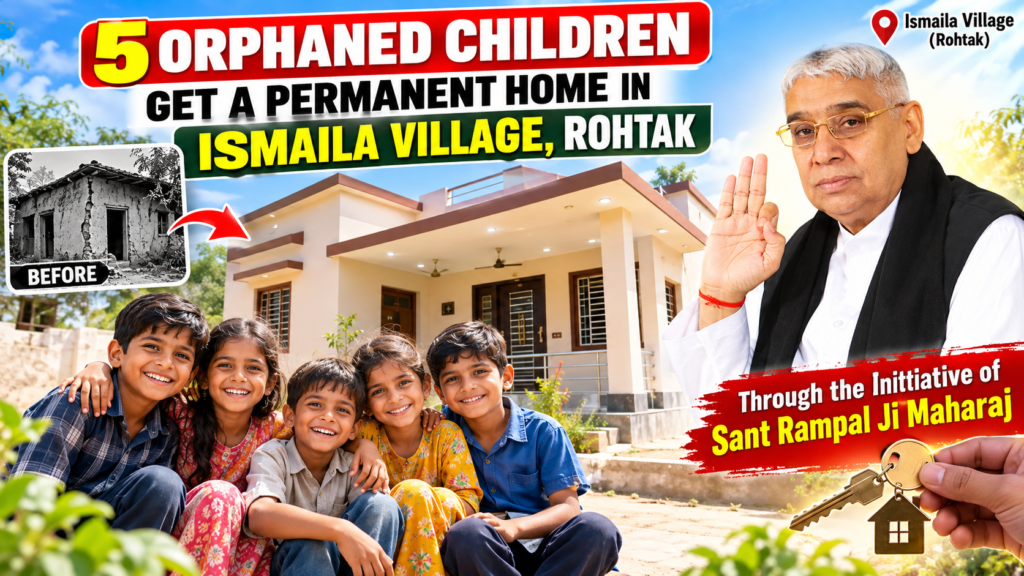
Five Orphaned Children in Ismaila Village, Rohtak, Receive a Permanent Home Through Sant Rampal Ji Maharaj’s Initiative
Category: Social Service | Humanitarian Work | Sant Rampal Ji Maharaj
Suggested Publication Date: October 13, 2026
Introduction
A home is more than a building made of bricks and cement. It is a place where children can feel safe, sleep peacefully, study without worry, and dream of a better future. For children who have lost their parents, having a secure home can be especially important.
A reported humanitarian initiative in Ismaila village, Rohtak district, Haryana, has drawn attention to the needs of five orphaned children who received a permanent concrete house. The initiative is associated with Sant Rampal Ji Maharaj and his efforts, as described in related accounts, to support people facing difficult circumstances.
The reported development highlights an important social message: vulnerable children deserve safety, dignity, and the opportunity to build a better future. It also encourages society to think about how individuals and organizations can contribute to the welfare of children in need.
1. Where Did the Incident Take Place?
The reported incident took place in Ismaila village in Rohtak district, Haryana, India.
Villages are often closely connected through family relationships, community traditions, and shared responsibilities. When a family experiences a tragedy, the consequences can affect not only the immediate household but also the wider community.
For orphaned children, the loss of their parents may create several challenges, including housing insecurity, financial difficulties, interrupted education, and emotional distress. A stable home can help address one of the most fundamental of these needs: a safe place to live.
The reported construction of a permanent house for five orphaned children in Ismaila brings attention to the importance of practical assistance for vulnerable families and children.
2. Five Orphaned Children and the Need for a Secure Home
Children need more than food and clothing to grow and develop. They also need a safe environment, access to education, emotional support, healthcare, and responsible adults who can help protect their interests.
When children lose their parents, securing stable accommodation can become a major concern. Temporary arrangements may not always provide the privacy, security, or continuity that children need.
A permanent concrete house can offer several practical benefits:
- Safety and shelter: A secure structure can protect children from harsh weather and unsuitable living conditions.
- Stability: A permanent place to live can provide a more consistent environment for everyday life.
- Educational support: A suitable home environment can make it easier for children to study and maintain a routine.
- Dignity and confidence: Safe accommodation can help children feel more secure about their future.
- Community connection: A stable home can help children remain connected to their village, school, and social support network.
However, housing is only one part of child welfare. Education, nutrition, healthcare, emotional care, and long-term protection remain equally important.
3. Sant Rampal Ji Maharaj and the Message of Humanitarian Service
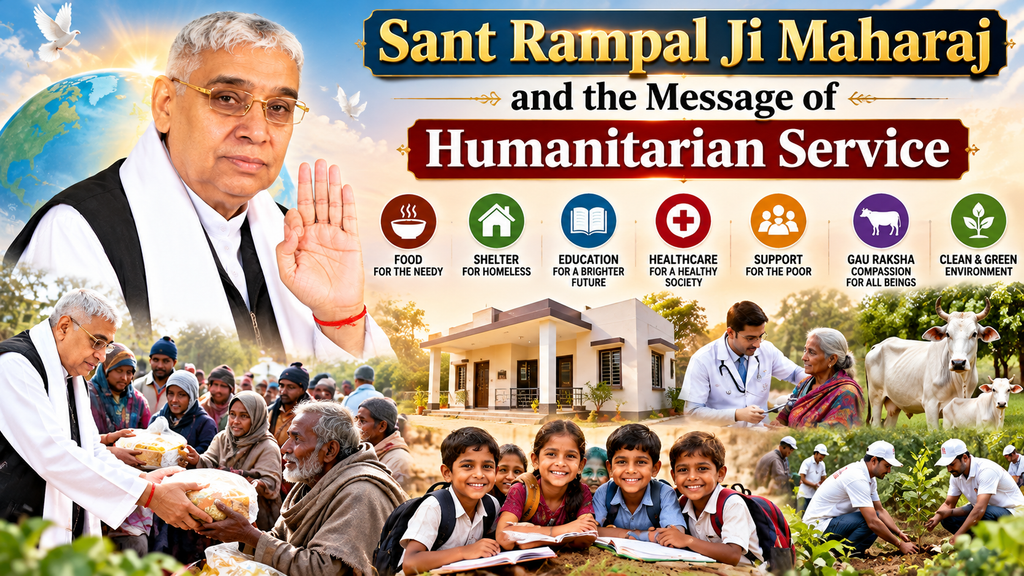
Sant Rampal Ji Maharaj is associated with spiritual teachings and social-service activities discussed by his followers. Reports about humanitarian initiatives linked to him have brought attention to assistance for people experiencing poverty, hardship, and other difficult circumstances.
The reported house for the five orphaned children in Ismaila is being discussed in the context of this broader message of helping people in need.
Humanitarian service becomes particularly meaningful when it addresses a real and practical problem. For children without parental support, assistance with housing can help meet a basic need and provide a foundation for greater stability.
To understand the specific role played by Sant Rampal Ji Maharaj or his organization in this case, readers should consult an official statement, a verified report, or documented information from the people involved.
4. Why a Permanent House Matters for Orphaned Children
A permanent home can make an important difference in a child’s daily life.
Protection from Weather
A properly constructed house can offer protection from rain, heat, cold, and other environmental conditions. The quality and safety of the structure remain important factors in determining how well it serves its residents.
A Stable Daily Routine
Children benefit from predictable routines. Having a permanent place to sleep, keep their belongings, prepare for school, and complete homework can support a greater sense of stability.
Support for Education
Education is essential for helping children develop skills and pursue future opportunities. A safe home can provide a place to read, study, and prepare for school, although educational support may also be needed.
A Sense of Belonging
A home can provide children with a sense of belonging and continuity. When combined with caring relationships and community support, secure accommodation can help them face future challenges with greater confidence.
For these reasons, housing assistance can be an important part of a broader effort to improve the lives of orphaned and vulnerable children.
5. The Importance of Helping Children in Difficult Circumstances
The situation described in Ismaila village raises a wider question: how can society support children who have lost parental care?
There is no single solution. Children may need a combination of financial assistance, educational opportunities, healthcare, emotional support, and protection from exploitation.
Communities can contribute by helping children remain in safe living arrangements, supporting school attendance, identifying unmet needs, and connecting guardians with appropriate public services.
Charitable organizations can also play a role by providing resources and coordinating assistance. Such efforts are most effective when they are transparent, accountable, and focused on the children’s long-term welfare.
6. The Role of Compassion and Social Responsibility
Compassion is meaningful when it leads to constructive action. Whether support comes from an individual, a community group, a charitable organization, or a public institution, the objective should be to improve the lives of people facing hardship.
The reported housing initiative in Ismaila provides an opportunity to reflect on this principle. Helping children obtain safe accommodation can address an immediate need, while continued attention to their education, health, and well-being can support their development over time.
Social responsibility also involves respecting children’s privacy and dignity. Their personal circumstances should be shared publicly only when appropriate, with suitable safeguards for their identity and well-being.
7. What More May Be Needed for the Children’s Future?
A permanent home can be an important beginning, but the long-term welfare of five orphaned children depends on more than housing alone.
Some important areas of ongoing support include:
Education: School fees where applicable, books, uniforms, stationery, and access to suitable learning opportunities.
Healthcare: Regular medical care, nutrition, hygiene, and timely treatment when needed.
Emotional well-being: A stable caregiving environment, supportive relationships, and access to professional help when appropriate.
Legal and social protection: Suitable guardianship arrangements and access to the protections and services available to children without parental care.
Future opportunities: Encouragement to develop practical skills, pursue further education, and work toward independent and fulfilling lives as they grow older.
The exact needs of the children in Ismaila have not been independently established here. These points describe general areas that can be important for children in similar circumstances.
8. A Message for Society
The reported incident offers a reminder that vulnerable children should not have to face life’s difficulties without support.
A safe home can provide a foundation, but a caring community can help make that foundation stronger. Neighbours, educators, responsible organizations, and public services can all contribute to an environment in which children are protected and encouraged to pursue their ambitions.
People who wish to help should choose responsible and transparent channels, verify the needs of the children, and ensure that any assistance respects their dignity and safety.
9. Why Responsible Reporting Matters
Humanitarian stories can inspire readers, but accuracy is essential when reporting on charitable work and vulnerable children.
Before publishing additional details about the Ismaila incident, it is advisable to verify:
- The date on which the house was constructed or handed over.
- The names of the organization or individuals responsible for the assistance.
- Whether the house was newly constructed or an existing property was provided.
- Whether the children and their legal guardians have consented to the publication of photographs or personal details.
- Whether an official report, credible news article, or documented statement confirms the circumstances.
These details can help readers understand exactly what happened without relying on unverified claims.
Conclusion
The reported provision of a permanent concrete house to five orphaned children in Ismaila village, Rohtak, highlights the importance of safe housing and practical support for children facing difficult circumstances. The initiative has been associated with Sant Rampal Ji Maharaj, although the specific details and circumstances should be confirmed through reliable documentation.
A secure home can provide children with a foundation for stability, education, and a more hopeful future. At the same time, their long-term well-being requires continued attention to healthcare, education, emotional support, and protection.
Ultimately, the most important measure of any humanitarian initiative is the lasting benefit it brings to the people it serves. By supporting vulnerable children responsibly and respectfully, society can help create an environment in which every child has an opportunity to live with dignity and hope.
Editorial Note: This article describes the incident as reported. The date, construction details, individual contributions, and other case-specific facts should be verified against an official or credible source before publication.