
Introduction: A Moment of Happiness in Devasar Village
Sometimes, the true value of a service initiative can be understood through the happiness it brings to ordinary people. A helping hand offered at the right time can reduce worries, create hope, and bring an entire community together.
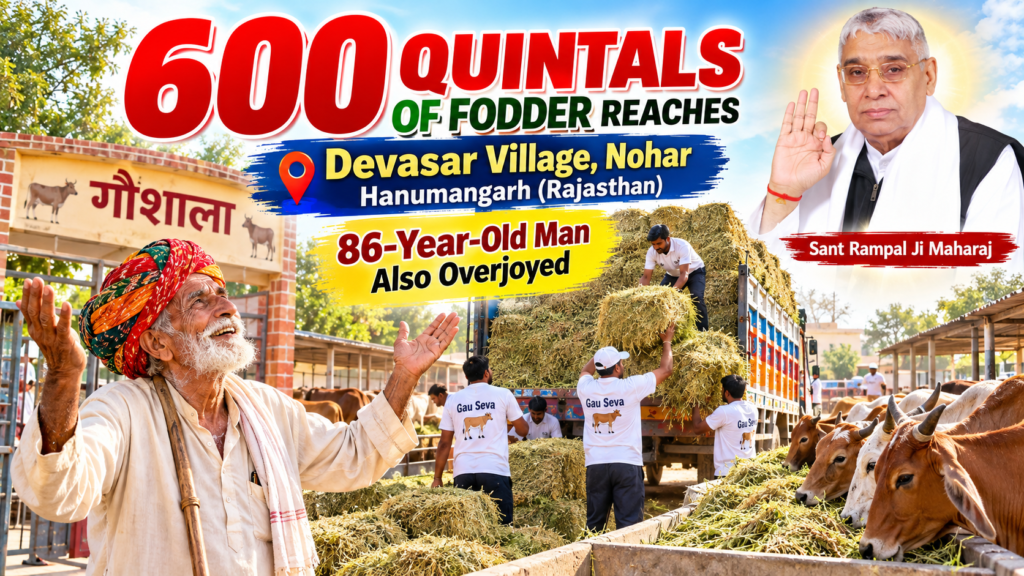
A reported fodder distribution initiative in Devasar village, located in Nohar tehsil of Hanumangarh district, Rajasthan, has drawn attention to the importance of caring for cattle and supporting gaushalas. According to the event details shared for this story, 600 quintals of fodder were delivered to Devasar, bringing relief and happiness to people connected with the local cow-care effort.
One of the most touching details associated with the headline is the reaction of an 86-year-old elderly man, who reportedly celebrated with joy. His happiness represents a simple but powerful message: acts of kindness can touch people of every age.
The initiative has been associated with the Gau Seva efforts of Sant Rampal Ji Maharaj. This article explores the reported event, the importance of fodder assistance, the role of gaushalas, and the broader message of compassion and social responsibility.
Editorial note: The precise delivery details and the elderly man’s reaction should be verified against original event footage or an official event report before publication.
1. Where Did the Fodder Distribution Take Place?
Devasar is a village in Nohar tehsil of Hanumangarh district in Rajasthan, India. Census-based village records identify Devasar as a rural settlement in this region.
Rural communities in Rajasthan often depend on agriculture and livestock-related activities. Cattle can have an important place in village life, and gaushalas provide shelter and care for animals that need protection.
However, caring for cattle requires consistent resources. Fodder, drinking water, suitable shelter, and regular veterinary attention are essential for maintaining animal welfare.
When a gaushala receives assistance with fodder, the support can help ease one of its recurring operational expenses. The reported Devasar distribution brings this practical need into focus.
2. What Does 600 Quintals of Fodder Mean?
The quantity mentioned in the headline is substantial.
In India, one quintal is equal to 100 kilograms. Therefore:
- 1 quintal = 100 kg
- 10 quintals = 1,000 kg
- 100 quintals = 10,000 kg
- 600 quintals = 60,000 kg, or 60 metric tonnes
This means that the reported quantity represents 60 tonnes of fodder.
Such a quantity can be valuable to a cattle shelter, although the duration of its usefulness depends on the number of animals, their nutritional requirements, the type and quality of fodder, and the quantity fed each day.
It is also important to distinguish between dry fodder and a complete balanced diet. Cattle need appropriate nutrition and access to clean drinking water, so fodder assistance is one part of responsible animal care rather than a replacement for all other requirements.
3. Sant Rampal Ji Maharaj and the Message of Gau Seva
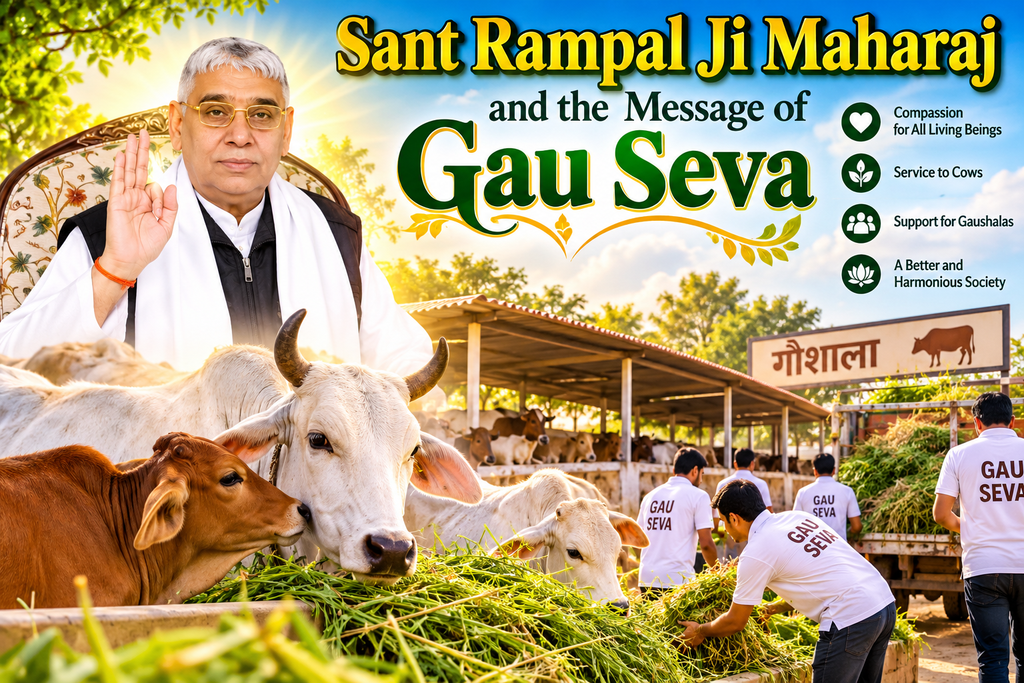
Sant Rampal Ji Maharaj is associated with spiritual teachings and service initiatives that include assistance to gaushalas and the distribution of fodder.
Reports published by the organisation’s news platform describe fodder assistance to cattle shelters in Rajasthan and other locations. These reports present the initiatives as efforts to support animal welfare and reduce the practical difficulties faced by gaushala management committees.
The Devasar story fits into this broader theme of Gau Seva, or service dedicated to the care and protection of cows.
For many people, Gau Seva is more than a religious expression. It is also a responsibility that involves ensuring that animals receive food, water, shelter, and appropriate care.
When discussing any such initiative, it is helpful to focus on the practical outcomes: what assistance was provided, where it went, which needs it addressed, and how the beneficiaries experienced it.
4. An 86-Year-Old Man’s Happiness Makes the Story Special
One of the most emotional details in the headline is the reported reaction of an 86-year-old man.
At an advanced age, people often value the well-being of their village, its traditions, and the welfare of animals that have long been part of rural life. Seeing support reach a local cattle-care initiative can therefore be a meaningful moment.
The elderly man’s reported happiness gives the story a human dimension. Rather than focusing only on the quantity of fodder, it draws attention to the people whose lives and communities are connected with animal care.
However, without verified footage or a direct statement from the individual, it would be inappropriate to invent his name, personal history, exact words, or reasons for celebrating.
The strongest version of this story would include a genuine quotation from the man, if one is available, along with a photograph or video showing the moment in its proper context.
5. Why Is Fodder Assistance Important for Gaushalas?
Running a gaushala is a continuing responsibility. Unlike a one-time community event, animal care requires food and attention every day.
Fodder assistance can be particularly useful when a shelter is facing difficulties obtaining sufficient supplies.
Reducing the pressure of daily expenses
Feed is one of the recurring costs of maintaining cattle. Receiving fodder can reduce the amount that a gaushala needs to purchase immediately, allowing its management to direct available resources towards other essential needs.
Supporting consistent feeding
An adequate supply of suitable fodder helps management teams plan feeding more reliably. The actual benefit depends on the type of fodder supplied, storage conditions, and the animals’ nutritional needs.
Helping cattle shelters manage their resources
When a large quantity of fodder arrives at once, a gaushala may be able to plan its stock and distribution over a period of time. Proper storage is essential to protect feed from moisture, mould, contamination, and wastage.
Encouraging community participation
Visible service initiatives can also encourage local residents to take an interest in animal welfare. Community members may contribute through volunteering, helping maintain facilities, arranging water, or supporting veterinary care.
For these reasons, fodder assistance can be an important part of a wider programme for responsible cattle protection.
6. The Importance of Animal Welfare in Rajasthan
Rajasthan has extensive rural areas where livestock forms part of agricultural and community life. In dry regions, access to sufficient fodder and water can become an important concern, particularly during periods of limited rainfall or seasonal shortages.
Gaushalas can help provide care for cattle that need shelter and regular feeding. Their responsibilities may include:
- Providing suitable feed and clean drinking water.
- Maintaining clean, adequately ventilated shelters.
- Arranging veterinary examinations and treatment.
- Separating sick or injured animals when necessary.
- Ensuring that fodder is stored safely.
- Maintaining records of animal numbers, feed supplies, and health needs.
A fodder distribution programme can address an important part of this work, but lasting animal welfare depends on consistent care and effective management.
The reported assistance in Devasar provides an opportunity to discuss these practical needs and the importance of supporting institutions that care for animals.
7. Service Is Most Meaningful When It Meets a Real Need
The story of fodder reaching a village is also a reminder that effective social service begins with understanding what people and communities actually need.
A cattle shelter may need fodder at one time, drinking-water facilities at another, and improvements to its shelter or veterinary arrangements at a different stage.
Support becomes more useful when it is based on an assessment of those requirements and followed by appropriate implementation.
For any organisation involved in community service, several principles are especially important:
- Understand the need: Consult the people responsible for the cattle and the management of the shelter.
- Provide appropriate assistance: Ensure that the quantity and type of fodder suit the intended purpose.
- Maintain transparency: Record what was delivered and where it was distributed.
- Focus on animal welfare: Consider feed quality, water, shelter, and veterinary care together.
- Review the outcome: Check whether the assistance addressed the original requirement.
These principles can help make service initiatives more accountable and beneficial over the long term.
8. The Broader Message of Compassion and Humanity
The emotional value of a service initiative often extends beyond the material assistance itself.
When people see a genuine effort to address a community’s needs, they may feel encouraged, reassured, and motivated to help others. The reported happiness of an elderly villager in Devasar illustrates why the human side of community service deserves attention.
Compassion does not have to remain an abstract idea. It can be expressed through practical actions, including providing food to animals, assisting vulnerable families, helping people access essential services, and contributing time to community welfare.
Spiritual traditions often encourage people to consider their responsibilities towards other living beings. In that context, animal welfare can be understood as one practical expression of kindness and responsibility.
The significance of the Devasar story, therefore, lies not only in the reported quantity of fodder but also in the wider discussion it creates about caring for animals and supporting rural communities.
9. How Can People Contribute to Gau Seva?
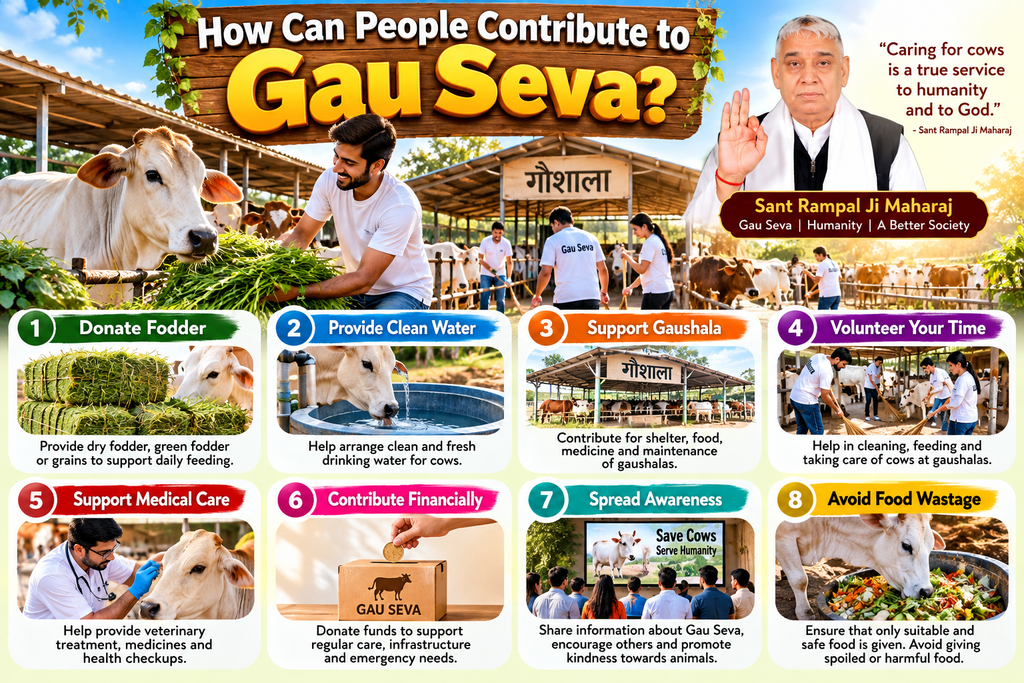
People who wish to support animal welfare can begin with simple, responsible steps.
Support a local gaushala
Contact a recognised cattle shelter and ask about its current needs before donating money, fodder, or other supplies.
Help provide clean drinking water
Water availability is essential for animal health. Contributions towards suitable water facilities can complement feeding assistance.
Volunteer responsibly
Volunteers may be able to help with cleaning, organising supplies, maintaining facilities, or coordinating approved activities under the guidance of the shelter’s management.
Avoid food wastage
Any fodder or feed donation should be suitable for cattle and accepted by the receiving shelter. Spoiled, mouldy, or contaminated feed can harm animals.
Encourage transparency
Donors can ask for receipts, delivery records, and confirmation that the supplies reached their intended destination.
These practical measures help ensure that the intention to serve translates into useful and responsible action.
10. Why Stories Like This Matter
Community service stories can bring attention to needs that might otherwise receive limited coverage. They can also encourage readers to learn about local organisations, understand the challenges of animal care, and consider ways to contribute.
At the same time, accurate reporting is essential. The location, quantity of assistance, date, beneficiaries, and statements attributed to individuals should be checked against reliable evidence.
In the case of Devasar, the headline highlights three central elements: a reported 600-quintal fodder delivery, the involvement of Sant Rampal Ji Maharaj’s Gau Seva initiative, and an elderly man’s reported joyful reaction.
Verifying these details through original photographs, video, or an official event report would make the story stronger and more useful to readers.
Frequently Asked Questions (FAQs)
1. Where is Devasar village located?
Devasar is located in Nohar tehsil of Hanumangarh district in Rajasthan, India.
2. How much fodder was reportedly delivered to Devasar?
The event details supplied for this article state that 600 quintals of fodder were delivered. This quantity should be checked against the original event report before publication.
3. How many kilograms are there in 600 quintals?
Six hundred quintals equal 60,000 kilograms, or 60 metric tonnes.
4. What is Gau Seva?
Gau Seva refers to service directed towards the care and protection of cows. It can include providing suitable feed, water, shelter, veterinary assistance, and other essential care.
5. What is Sant Rampal Ji Maharaj associated with in this story?
Sant Rampal Ji Maharaj is associated with Gau Seva initiatives that include reported fodder assistance to gaushalas. Published reports describe similar initiatives in Rajasthan and other areas.
6. Why is fodder distribution important for gaushalas?
Fodder is a recurring requirement for cattle shelters. Appropriate assistance can help meet feeding needs and reduce some of the pressure on shelter resources.
7. Can people support local cattle shelters?
Yes. People can contact recognised gaushalas to learn about their needs and contribute suitable fodder, approved supplies, funds, or volunteer assistance.
Conclusion: A Story About Service, Animals, and Community Happiness
The reported arrival of 600 quintals of fodder in Devasar village, Nohar, Hanumangarh, Rajasthan, brings attention to the importance of animal welfare and the challenges faced by cattle shelters.
Associated with the Gau Seva initiatives of Sant Rampal Ji Maharaj, the story also highlights a human moment: the reported happiness of an 86-year-old man.
Behind every successful animal-care effort lies a practical responsibility to provide suitable food, clean water, shelter, and ongoing care. When assistance is directed towards genuine needs and delivered transparently, it can make a meaningful contribution to community welfare.
The Devasar story offers a reminder that compassion becomes most meaningful when it is translated into responsible action. Whether through supporting a gaushala, helping a neighbour, or volunteering for a community initiative, every thoughtful contribution can help build a more caring society.
Final message: Caring for animals is not only about providing food today; it is also about building the conditions in which they can receive consistent care tomorrow.
- Jagat Guru Rampal Ji News: Reports concerning gaushala representatives and fodder assistance in Rajasthan. https://news.jagatgururampalji.org/desh-ke-vibhinn-hisso-se-aaye-logo-ne-sant-rampal-ji-se-ki-mulakat/
- Jagat Guru Rampal Ji News: Report on the distribution of 500 quintals of dry fodder to a gaushala in Raslana, Rajasthan. https://news.jagatgururampalji.org/raslana-gaushala-ko-sant-rampal-ji-ne-dia-500-quintal-shukha-chara/